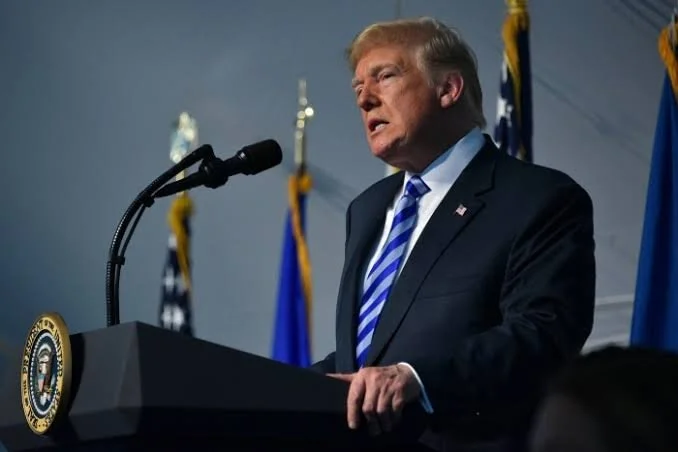
The Impact of Media Coverage and the Need for Balanced Reporting
For many families, the wait for relief is deeply tied to how public discussions about pardons take place. Because national news coverage naturally focuses on the most famous or controversial legal cases, the stories of ordinary citizens can get lost in the noise.
Here is how the current media landscape impacts everyday families:
A Focus on High-Profile Legal Debates: Major national articles, such as pieces in The Atlantic, often analyze systemic questions about executive clemency. This includes exploring how pardons impact public corruption cases like Henry Cuellar [theatlantic.com] or discussing large-scale holiday clemency packages [theatlantic.com] article by Sarah Fitzpatrick. While these policy debates are important, they dominate the conversation, leaving little room for other perspectives.
The Missing Perspective of the #43americans: Because national coverage is consumed by high-profile political figures, grassroots efforts like the #43americans rarely receive a public platform. This group consists of ordinary citizens seeking a review of their cases based on claims of prosecutorial misconduct. Because they do not have Washington lobbyists or public relations firms representing them, their specific legal challenges remain largely unreported.
An Incomplete Public Record: When news outlets do not reach out to regular families to share their side of the story, the public only sees one angle of the pardon conversation. Without understanding that everyday people are also caught up in these complex federal investigations, the public discussion remains incomplete.
The Real Cost of Delays: While national commentary treats presidential pardons as an abstract political topic, everyday families face real-world consequences. Long delays in reviewing cases mean that families continue to drain their life savings on legal expenses and live in a state of constant uncertainty while waiting for an answer.
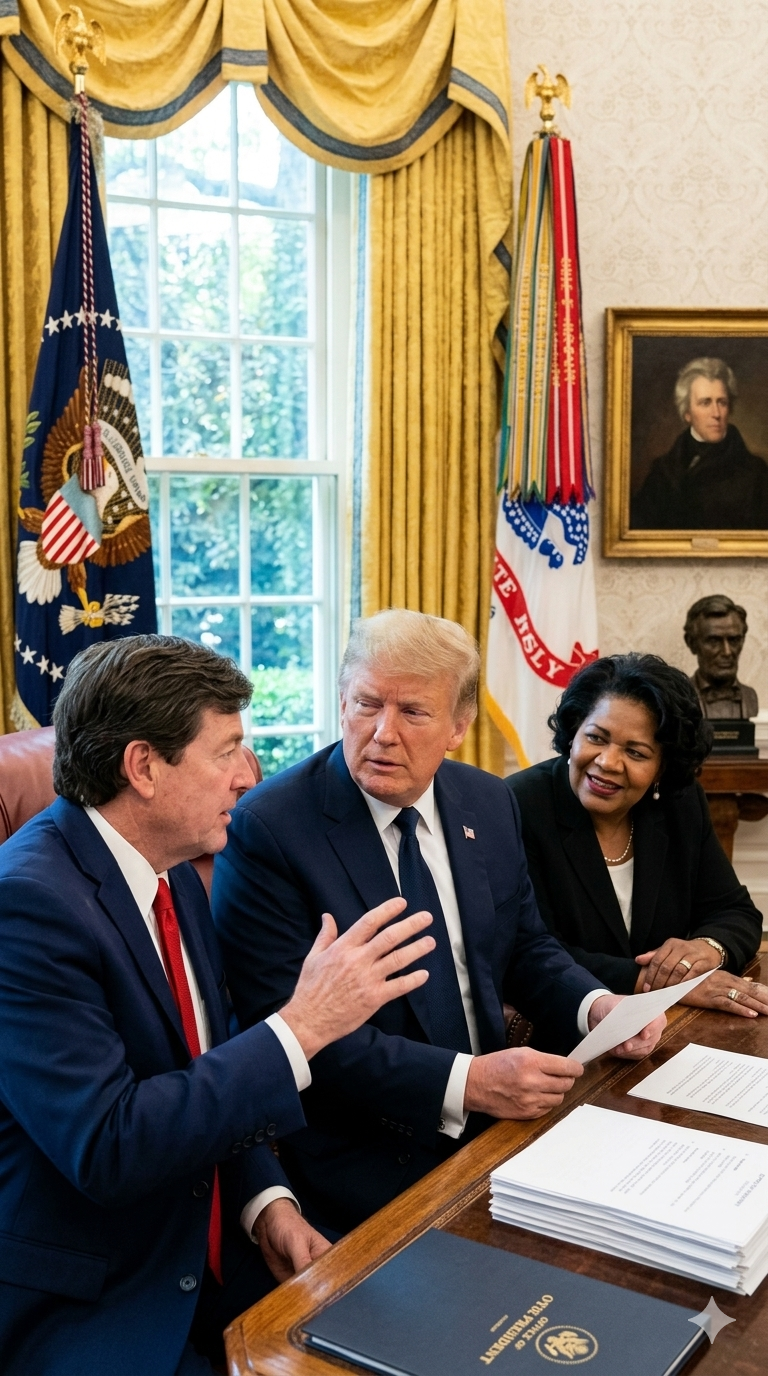
The Decision-Makers: Who Controls the Pardon Pipeline?
Because the administration has shifted away from the traditional, slow-moving Department of Justice bureaucracy, the power to grant relief rests in a very tight circle of senior advisers. When media pressure mounts, it hits this small group directly, which explains why the pipeline can freeze so easily. [1, 2]
Here are the key officials who handle, review, and pass candidate names to the President:
White House Counsel — David Warrington: As the top lawyer in the White House, David Warrington acts as the primary gatekeeper. Most clemency cases are initially considered and vetted by his office. [1, 2, 3]
U.S. Pardon Attorney — Ed Martin: Operating within the DOJ, Ed Martin leads the Weaponization Working Group. He coordinates directly with the White House Counsel's office to identify individuals who were over-prosecuted or targeted by the system. [1]
White House Chief of Staff — Susie Wiles: Once the White House Counsel and Pardon Attorney hand-pick candidates, those names go to Chief of Staff Susie Wiles for executive review. She helps manage the political strategy surrounding public announcements. [1, 2]
The Final Arbiter — President Donald J. Trump: Under the U.S. Constitution, the President holds absolute authority over federal pardons. Once Warrington and Wiles bring him the finalized picks, he makes the final decision. [1, 2, 3]
Why This Matters for the #43Americans: Because the pipeline relies on this small, direct chain of command, a handful of negative news articles can cause these specific decision-makers to hesitate. Without a team of high-priced Washington lobbyists constantly pushing the names of working-class families into this tight circle, everyday citizens remain completely invisible while the pipeline is stalled. [1, 2]